Amorjoti Special School
ECE at government schoolsAge 3–5
From early learning run by mothers to support in mainstream classrooms and special schools: education that starts early and continues into training and work.
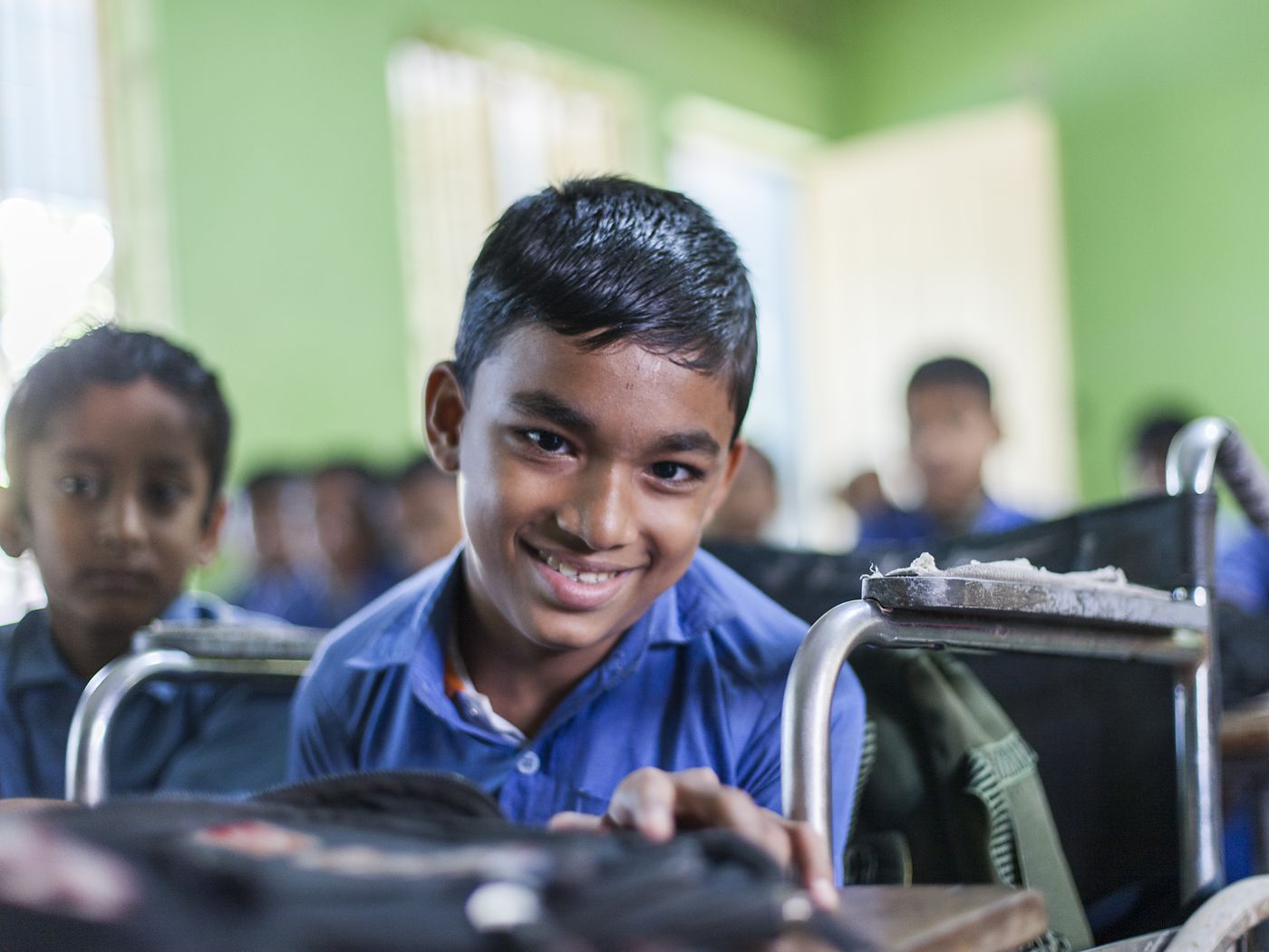
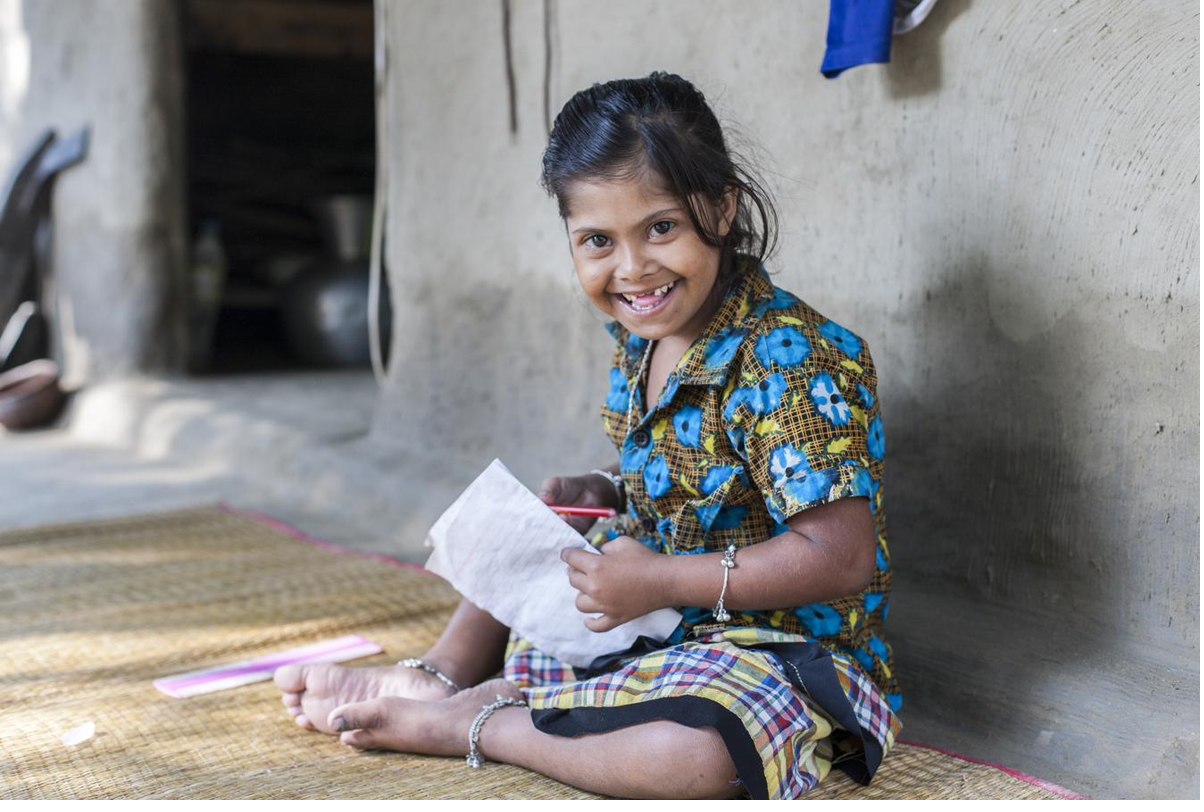
Every child and young person, including those with disabilities and neurodevelopmental disabilities (NDD), has the right to learn, grow and participate fully throughout life. Since 1998, DRRA has been developing and promoting inclusive education through its Learn for Life model, connecting early intervention and Early Childhood Development (ECD) with special education, mainstream school inclusion, non-formal education and pre-vocational skills development. In recognition of this innovative approach, DRRA received the Zero Project Award in 2019.
Every child is found through a community survey and screening, then supported by a resource centre into the school route that suits them, and on into lifelong learning.
CERC Community-based Education Resource Centre · IRP Individual Rehabilitation Plan · IEP Individual Education Plan · OT occupational therapy · PT physiotherapy · SLT speech and language therapy · UHC Union Health Complex · ECE Early Childhood Education · CLC Community Learning Centre · OPD Organisation of Persons with Disabilities · SMC School Management Committee · UDRMC Upazila Disaster Risk Management Committee
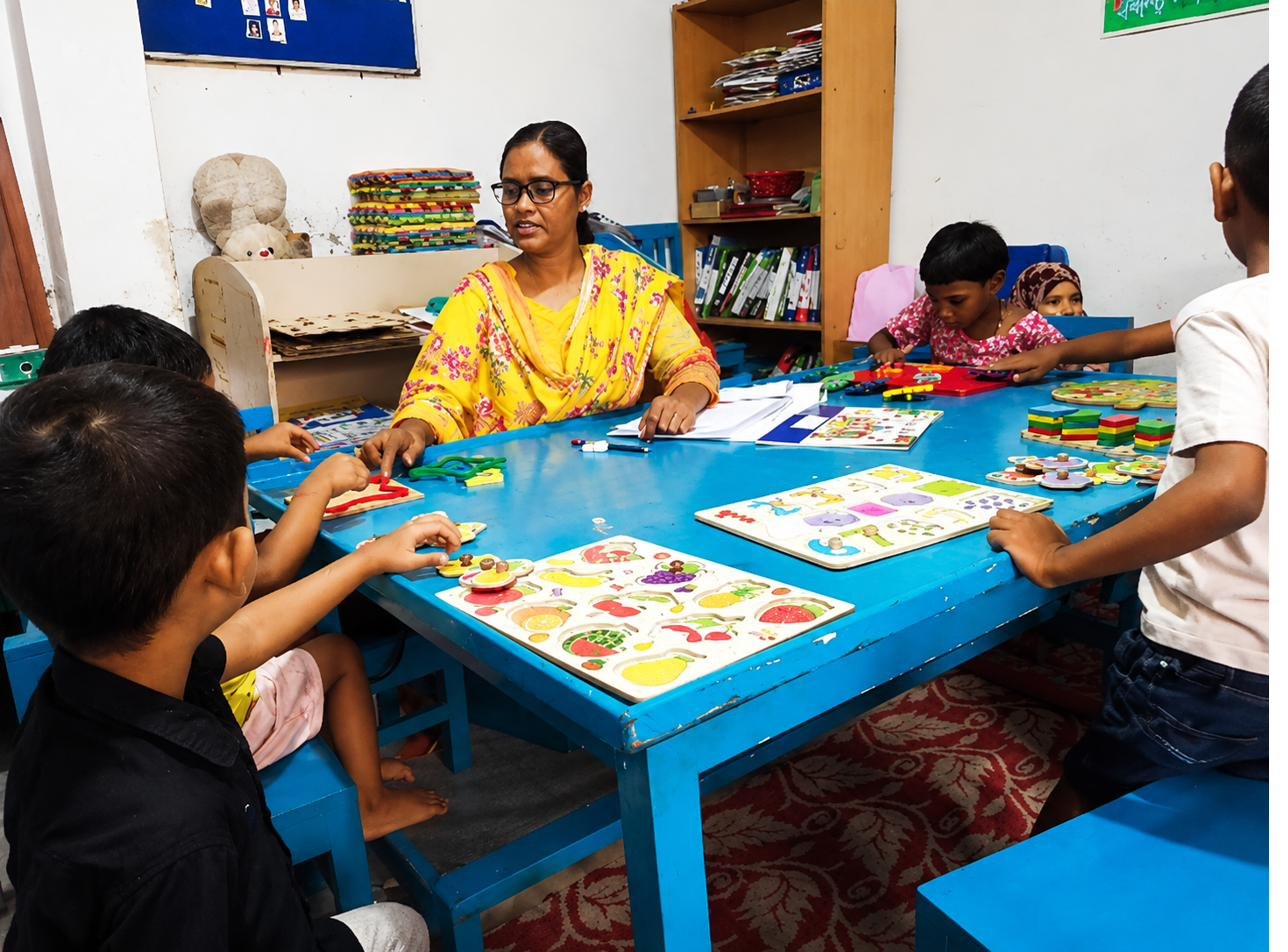
Since 1998, DRRA has promoted inclusive early childhood education through community-managed centres and partnerships with government primary schools. Currently, 40 centres are operating. Children learn through the government pre-primary curriculum, Individual Education Plans (IEPs), play-based activities and need-based therapy. OPDs, parents and community representatives contribute to centre management and oversight.
Launched in 2012 with 15 students in Satkhira, VARANDA is DRRA’s low-cost, community-run early learning model managed by mothers of children with disabilities. By 2023, it had reached 1,030 students across 11 districts and been replicated by 15 local partner organisations. VARANDA received the Zero Project Award in 2024.
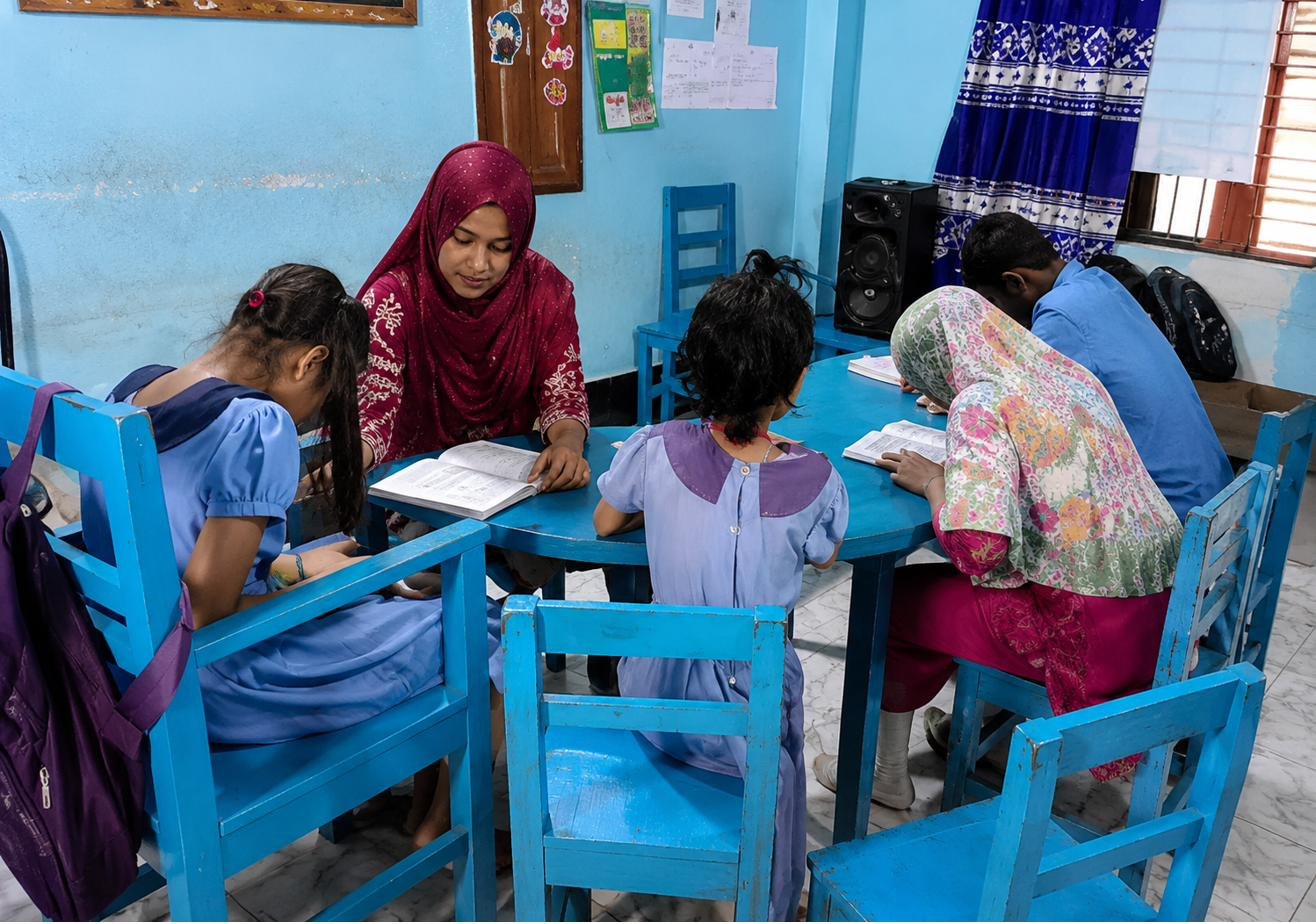
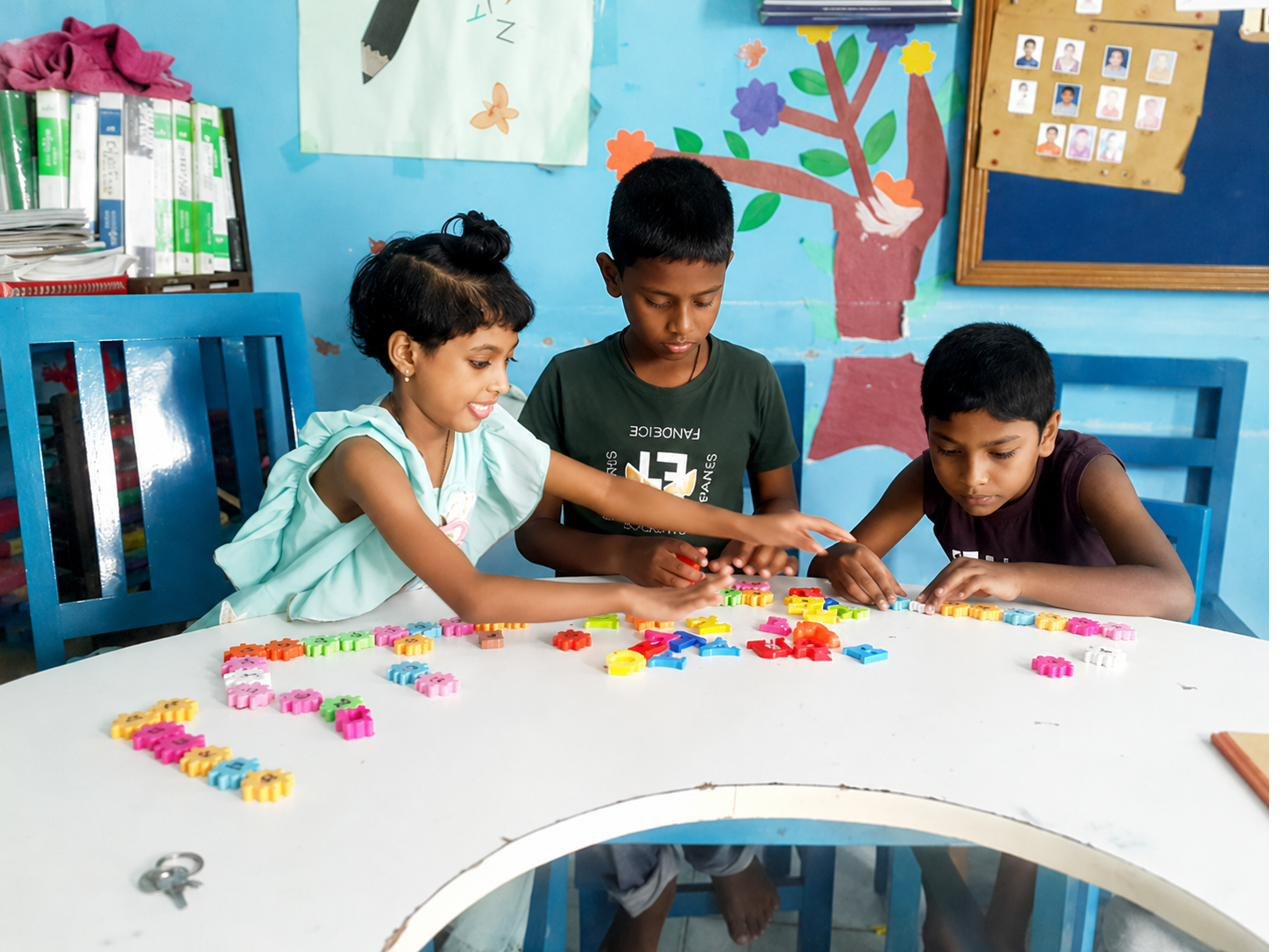
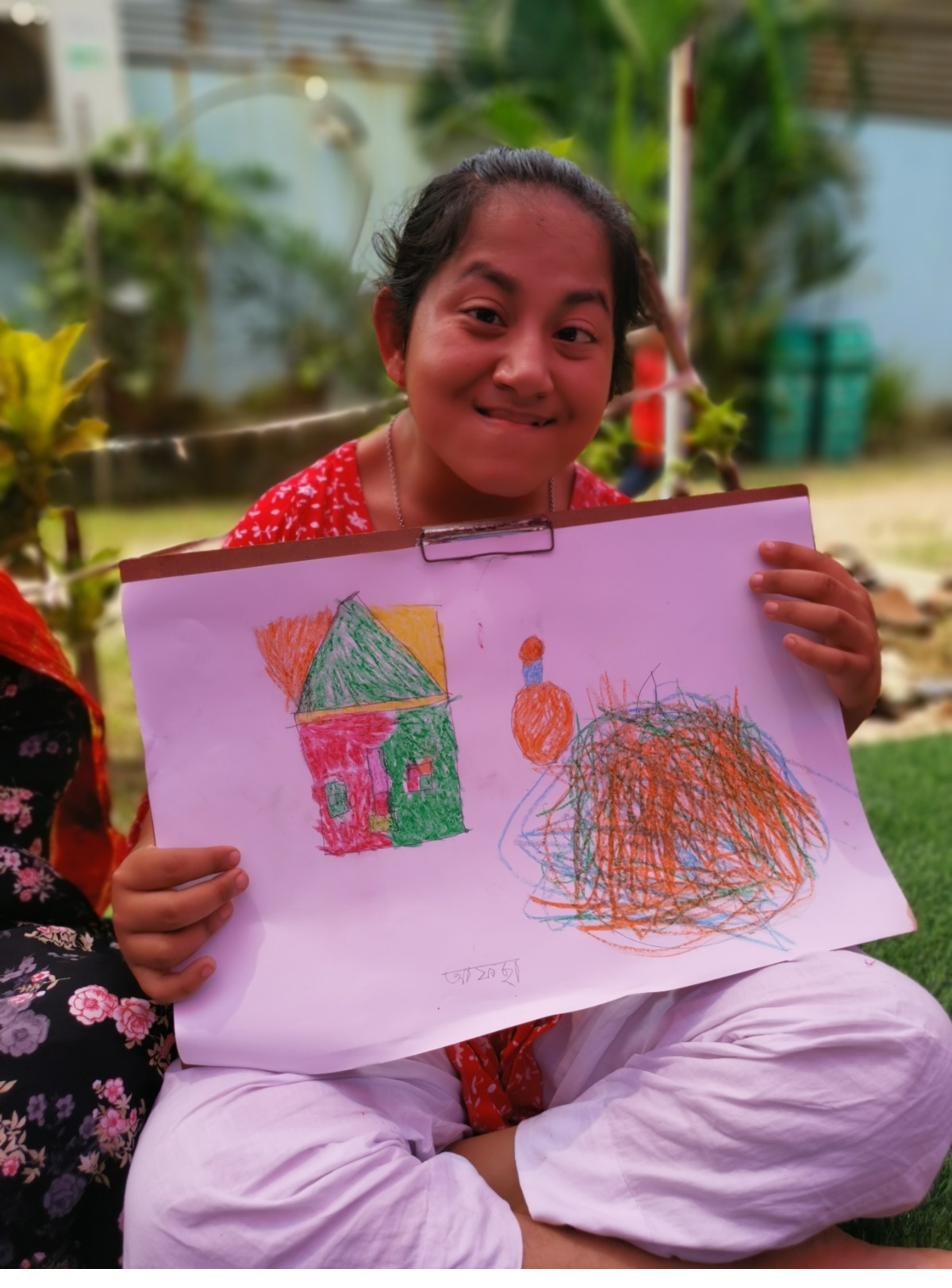
Many children with NDD require specialised education alongside medical and social rehabilitation to achieve their learning and development goals. Through Amorjoti Special Schools and centres in Manikganj, Dhaka and Satkhira, DRRA provides inclusive support. Each child follows an Individual Rehabilitation and Education Plan based on initial assessment and identified needs. DRRA has developed a specialised teaching and learning curriculum with support from international experts.
Based on individual progress, readiness and support requirements, children are supported to transition towards mainstream education or pre-vocational learning, creating pathways for continued learning and greater independence.
Community Learning Centres provide inclusive non-formal education and lifelong learning opportunities for out-of-school children and young people, especially girls and women, including those transitioning from special education.
CLCs offer foundational education, life skills, pre-vocational learning and trade-based vocational training linked to livelihood opportunities. They provide alternative pathways for young people facing barriers to formal education and prepare them for further learning, employment and self-employment.
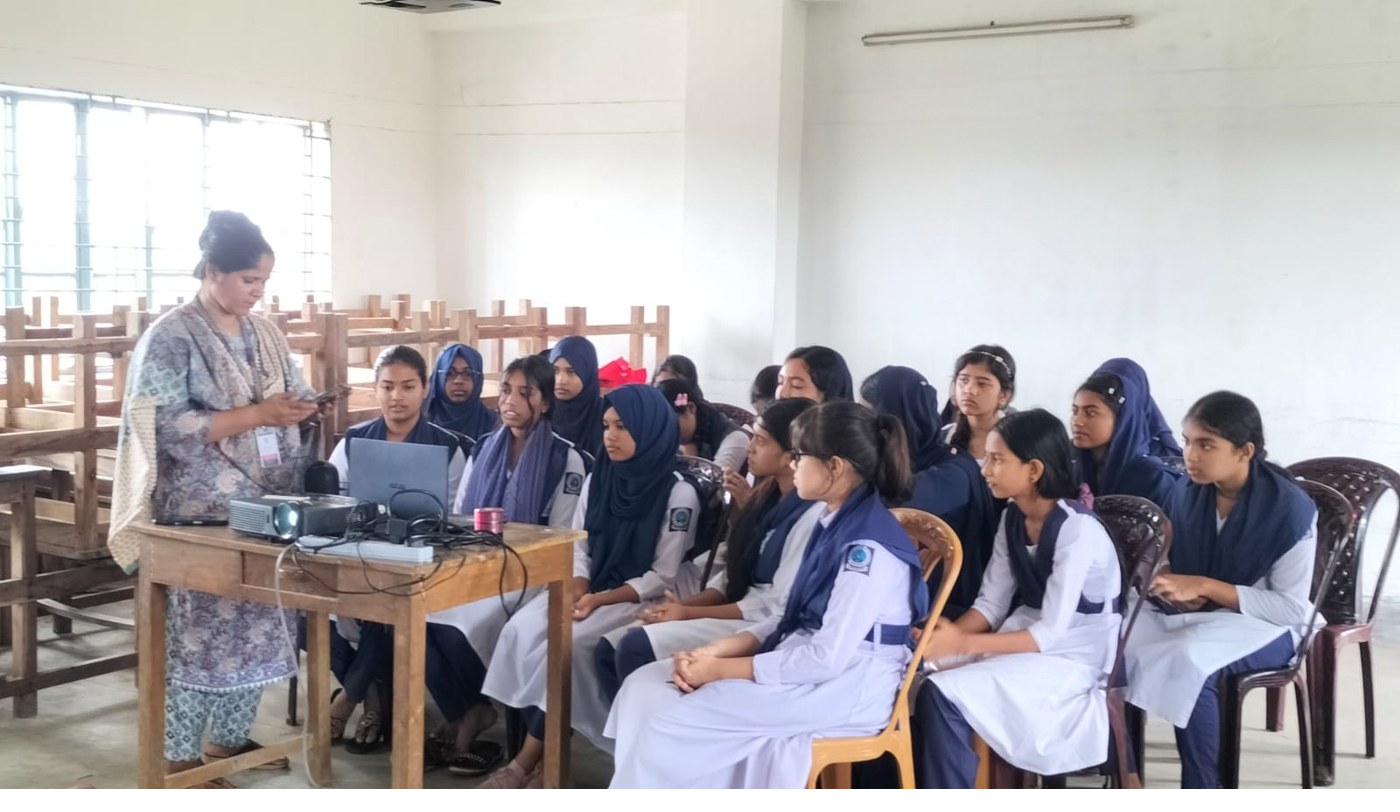
Since 2012, DRRA has been working with government primary and secondary schools to promote the enrolment, learning and participation of children with disabilities alongside their peers. The approach combines accessible learning environments, teacher training, adapted teaching methods, assistive devices and family engagement.
DRRA also promotes children’s councils, inclusive sports, awareness activities, scholarships, sponsorships, follow-up support and disaster preparedness. School Management Committees (SMCs) and Upazila Disaster Management Committees are engaged and trained on disability inclusion, accessibility, reasonable accommodation, gender and disaster preparedness.
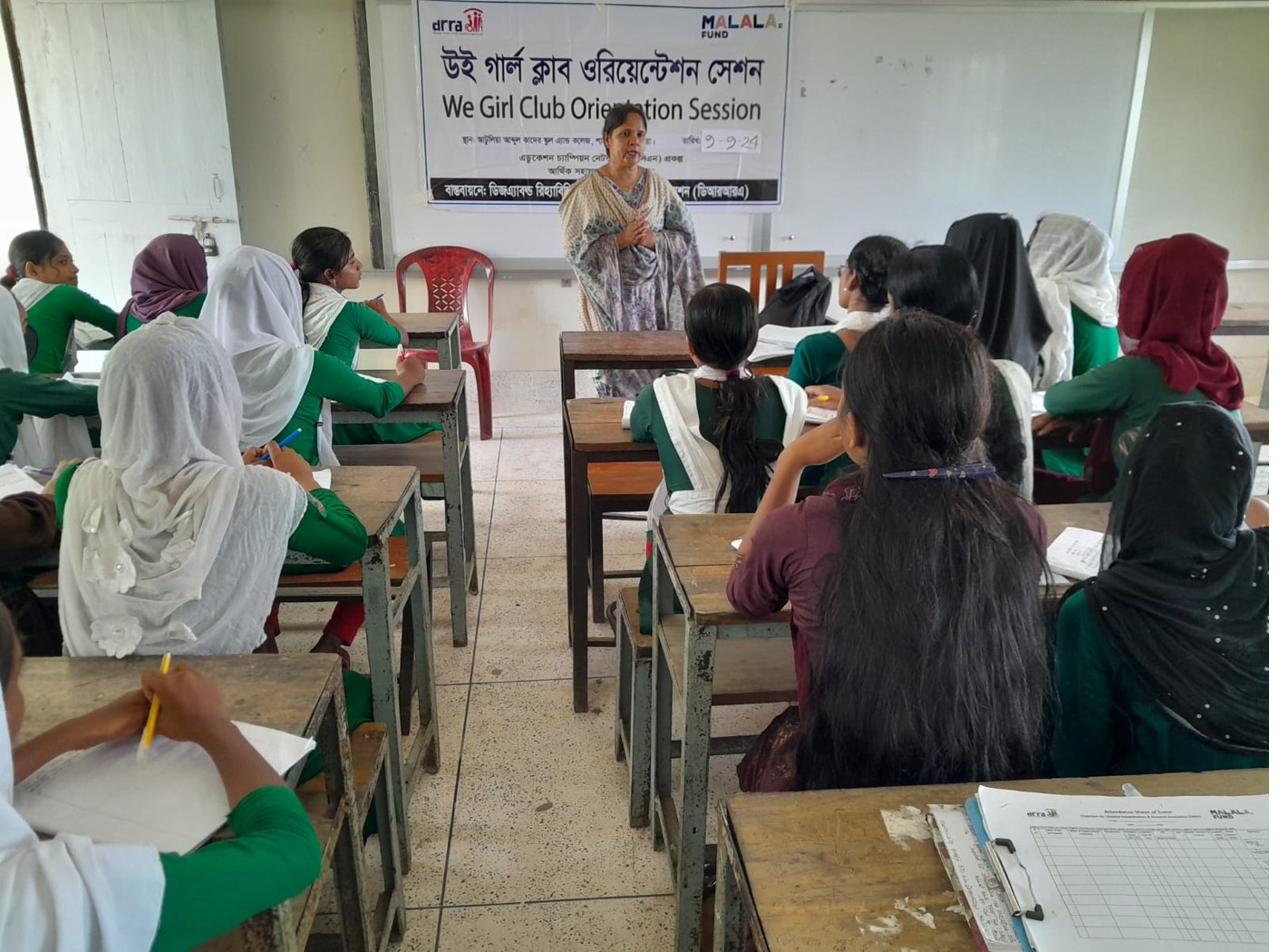
DRRA works to bring out-of-school girls back into education by addressing barriers to access and continued learning. Since 2023, DRRA’s Founder has served as a Malala Fund Education Champion, leading efforts to expand educational opportunities for girls.
Families, caregivers, community groups and local institutions are integral to DRRA’s education approach. Their participation strengthens learning at home, promotes community ownership and supports continuity across different learning environments.
DRRA contributes to improving education policy and practice through research, advocacy and model development. In 2021, DRRA analysed the Non-Formal Education Act 2014 and provided recommendations to make non-formal education more accessible and inclusive.
To develop, implement and expand its education models, DRRA has developed:
The digital platform SHOKKHOM brings together information and practical resources on care, education, communication, rehabilitation and inclusion. The platform continues to expand through new instructional videos, information about different disabilities and real-life experiences shared by parents and caregivers. Its goal is to strengthen the knowledge and skills of families, teachers and caregivers so that children with disabilities can participate more fully at home, in schools and in their communities.
Visit SHOKKHOM →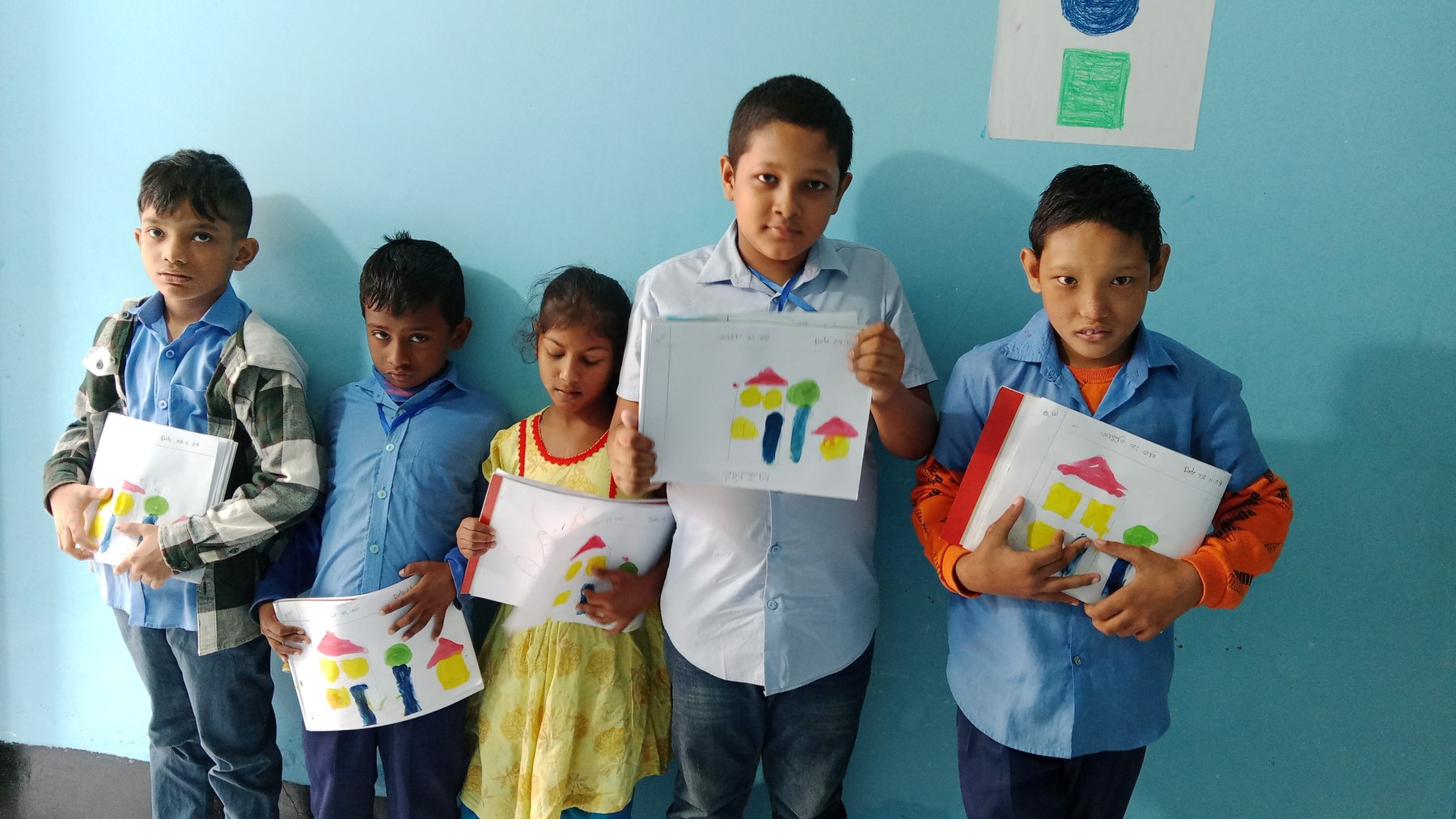
Indicative amounts. DRRA confirms current costs when a gift is designated.